Natural Hair Transplant
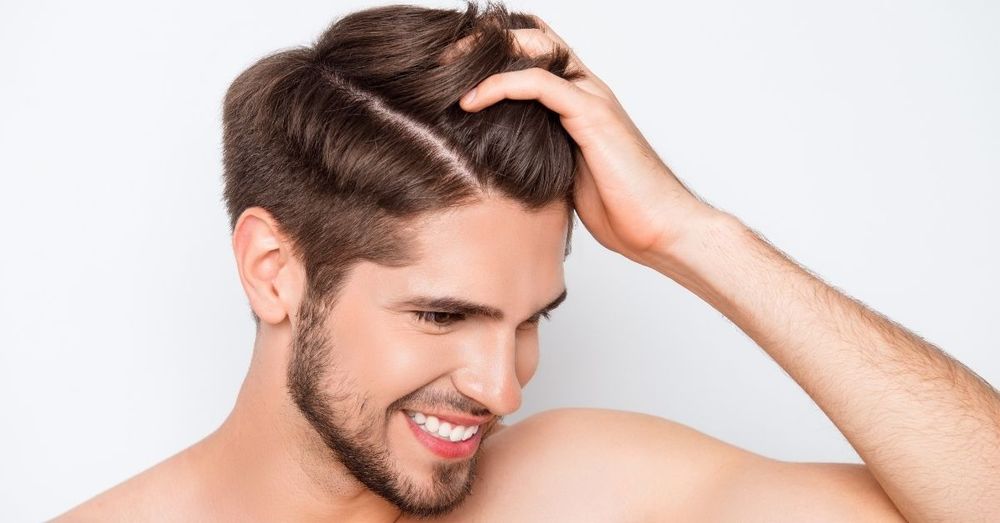
Natural Hair Transplant
Micrograft hair transplantation is one of the most advanced and recent techniques to emerge in the beauty industry. This method, using modern and automatic devices, removes natural hair microscopically and places it in the hairless or bald areas of the head. These devices operate with high precision and ensure that each hair is harvested and implanted correctly and accurately. This method has a variety of advantages. First of all, this method allows you to have natural hair in the planting area. The microscopic transplantation of individual hair follicles creates a highly natural and undetectable result. Not only does this method allow you to determine the exact location and growth angle of each hair follicle, resulting in a more natural appearance that aligns with the direction of your existing hair, but it also allows you to transplant more hair follicles in the future if needed. For instance, if you are suffering from severe hair loss, you can simply plant new hair follicles in our clinic again.
Human body hair, especially scalp hair, grows in clusters from individual follicles. Each cluster contains about one to three hair follicles that are attached to a hair root. Hair transplant surgeons call these clusters “grafts”. Transplanting hair with the “Micrograft” method is one of the best ways to restore lost hair. In this method, small and individual grafts are transferred to different places in different ways based on their specific characteristics. Due to the small size of the grafts, this method is known as “Micrograft”. The hair used in this method is typically harvested from the donor area, which is often located at the back of the head or behind the ears. This operation is performed by specialized, automated machines under the supervision of expert surgeons. Minimal manual intervention throughout the process contributes to a shorter procedure time compared to other methods.
Nowadays, hair loss has turned into a big issue which most men are dealing with. This issue usually becomes more severe as people grow older and it causes distress. Balding is one of the most common issues among men, and it can be treated with various methods. Micrograft hair transplantation is one of the best methods to treat balding. If you haven’t been able to see satisfactory results with other transplantation methods, Micrograft hair transplantation is the most effective method for you.
Hair transplantation is performed in three methods worldwide:
- Micro FUE Method:
In this method, fine punches are used, and the hair is measured and transplanted with suitable blades. The areas where the hair is transplanted are identified with special blades called “Sapphire,” allowing for the highest possible hair density. To perform this method, all the hair on the scalp must be shaved.
- FIT Method:
In this method, larger punches are used to extract hair from the back of the head. This is an older technique, and usually, the scars from the blades remain in the transplant area.
- DHI Method:
The hair extraction phase in this method is similar to the Micro FUE, but the difference is that the grafts are placed inside special pens, and the transplant is done with these pens. In this method, the hair at the back of the head is shortened, but the hair at the front does not need to be cut, and only the extraction area is shaved.
In all these methods, hair transplantation is performed with the injection of lidocaine, and you can undergo the procedure without any pain. Additionally, during the hair transplant process, you can enjoy a meal and be fully catered to.
Stages of the Micrograft Hair Transplantation Process
Micrograft hair transplantation has different stages which make it a complex and precise process that is carried out using automatic devices called micromotors. Due to its greater precision than other methods, this process leads to healthier harvesting of grafts and an increase in the number of extracted grafts.
What is the first stage of the Micrograft hair transplantation process?
The first stage is graft harvesting. During this stage, the patient’s hair is shaved, and anesthesia is applied to minimize pain. Then, the hair transplant, including the hair bulb and a small piece of scalp, is removed from the donor area using automatic devices and surgical tools called micro-drills.
What happens to the grafts after they are harvested?
In the second stage, the harvested grafts are treated with stem cells. This process strengthens the hair follicles, ensuring that they thicken after being transplanted.
How is the planting area prepared for graft transplantation?
The third stage involves numbing the planting area. The area is numbed without the use of needles, and the prepared grafts are loaded into the automatic transplantation machine, ready for implantation.
What occurs during the final stage of the Micrograft hair transplantation?
In the fourth and final stage, the Microimplanter machine transplants the grafts into areas with baldness or thinning hair. The high precision of this device allows for faster implantation and a higher density of transplanted hair, leaving no visible scars.
When will the results of Micrograft hair transplantation be visible?
The time it takes to see noticeable results from a micrograft hair transplant varies from person to person. It’s accurate to say that initial hair growth typically becomes noticeable within 3 to 6 months with the final outcome apparent within 12 to 18 months.
Hair Transplantation Precision Care, Not for Everyone
Hair transplantation is a complex procedure which is inappropriate for some people. It may not be suitable for individuals with:
- Severe anxiety or depression
- Obsessive-compulsive disorder involving hair pulling
- Autoimmune diseases such as lupus, lichen planus, or severe psoriasis
- Severe diabetes
- Blood clotting disorders or infectious diseases like AIDS or syphilis
- Insufficient or weak hair donor areas
- Undergoing chemotherapy or radiation therapy
- Widespread hair loss (in women)
- A history of keloid scar formation
- Hair loss as a result of chemicals such as the ones used in chemotherapy
- Pregnancy and breastfeeding
- Hormonal disorders such as PCOS and thyroid (in women)
- Unrealistic expectations of hair transplantation results
Anyway, it is very important to speak with a doctor and to talk about your situation before making the decision on whether to go through the procedure or not.
Post Micrograft hair transplantation care
In order for you to experience a faster and better recovery, the care provided after a micrograft hair transplant procedure is very important. The care provided includes several crucial factors that must be carefully followed for successful hair transplantation.
- The first factor is timely and correct use of painkillers and medicines prescribed by your doctor. These drugs and painkillers can help reduce pain and swelling and should be taken carefully and on time.
- Additionally, the use of ice water compresses is very effective for healing pain and reducing swelling. This method makes the implanted area cool and you will experience a faster recovery
- Also, avoiding touching the implanted area is crucial to prevent infection and damage during the healing process.
- Using the shampoo prescribed by your doctor is also of great importance. Using any other shampoo without your doctor’s approval must be avoided.
- In order to heal better and more quickly, alcohol and tobacco and some steroidal pills must be avoided.
- In addition, it is very important to refrain from doing endurance sports for some time after the operation. This action prevents pressure and stretching in the implanted area.
Our Micrograft Hair Transplantation Process Includes
- Graft Harvesting
- Graft Preparation
- Anesthetizing the Planting Area
- Graft Transplantation
Disadvantages of Micrograft hair transplantation
- The time that it takes to implant depends on the amount of baldness which is between 8 to 12 hours
- You might lose your hair bank through choosing an inexperienced clinic
Therefore, pay attention to choose an experienced clinic.
